
It’s “Barely” Fall
As fall approaches, we reflect on the colorful days of summer and think our gardening days are limited to maintenance such as leaf raking and mulching until spring arrives. Surprisingly, there are several interesting garden projects that can fulfill your gardening days with rewarding results – the planting of fall bulbs, bare root trees and autumn color.
Fall Bulbs
As the evening air takes on a cool crispness and the ground is cold, planting bulbs in the fall can set the stage for a colorful display in your garden come spring. Select varieties that bloom from the start of spring through early summer, and these flowering bulbs will produce an array of color until perennials and summer annuals are in full swing.
Fall is the perfect time to plant such spring-flowering bulbs as tulips, hyacinths, daffodils, paperwhites, crocuses and irises. At a ground soil temperature of 60 degrees F, bulbs will cycle through their required chilling period necessary to induce blooming. Select bulbs that are firm, solid, free of cuts and feel heavy for their size. For certain bulbs such as tulips, keep them refrigerated at 40 degrees F until they’re ready for planting, most likely in late October and early November. Plant bulbs in a sunny location with at least five to six hours of direct sun. They should have good drainage to avoid rotting of the bulb in wet soil. Be sure to apply bulb fertilizer to promote healthy development and vigorous blooming. Then sit back and amaze your neighbors with your colorful landscape signifying the beginnings of the new spring season.
Bare Root Trees
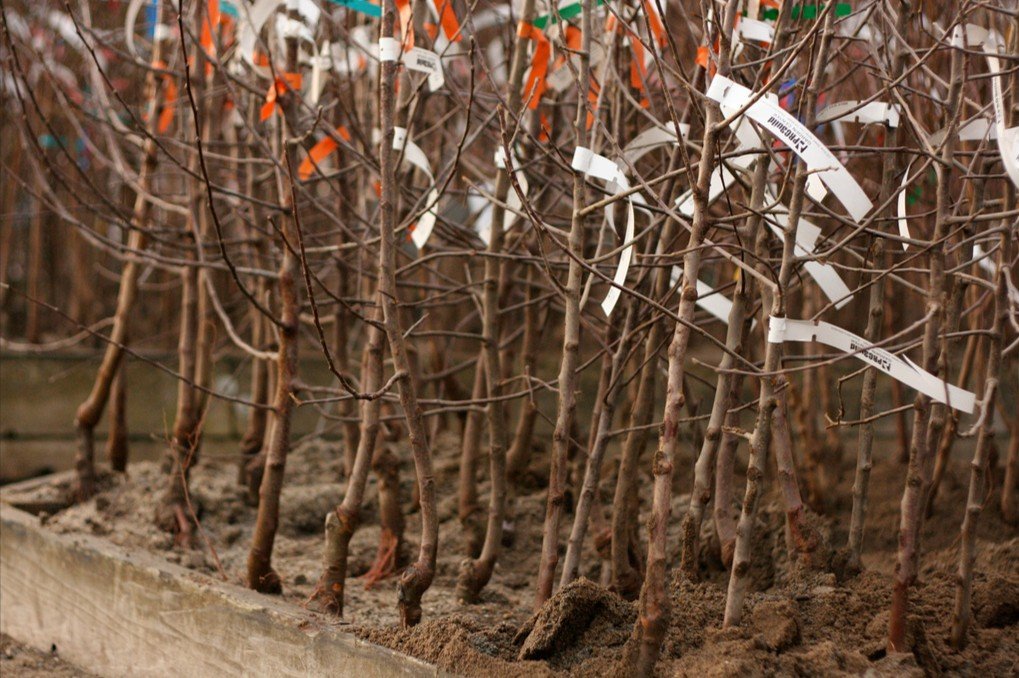
Bare root is an economical means of transporting trees and shrubs during their dormancy and is a preferred method of planting for many fruit trees such as apples, pears, cherries and plums. Bare root trees are removed from their planting grounds in the winter when the trees are not growing. The soil is removed and the roots are pruned to encourage new root growth and to accommodate shipping. While there are many advantages, certain easy steps should be followed to ensure success with bare root plantings.
> Do not allow the roots to dry out before planting. Bare root trees must be planted while dormant and should be planted immediately after purchase. If you must wait to plant, dig a small trench, lay the tree at a 45-degree angle, cover the roots temporarily with soil, and keep moist. Even while preparing your planting area, keep the roots covered with a damp rag or newspaper to avoid the drying winds.
> Plant bare root trees at the proper depth. This is the most important step in planting as an improper planting depth can cause problems throughout the life of the tree and is leading cause of early death. Bare root trees should be planted at the same depth or slightly higher than they were growing in the field. That is, bare root trees should be planted at a depth such that the ground is level with the mark on the tree trunk, noted typically by a slight discoloration on the bark between the highest root and the tree graft.
> Only prune off broken or damaged branches. Do not immediately prune your bare root tree. Allow it to grow for one complete season and then begin your pruning when the tree returns to its dormancy stage next season.
> Healthy specimens produce healthy trees. When purchasing bare root trees, look for root and branch symmetry to provide for uniform growth. The main root should be aimed downward to ensure a solid anchoring of the tree. Small fibrous roots should be plentiful, spanning out in all four directions with strong signs of vigor. The tree trunk and branches overall should appear healthy.
> Follow good planting techniques. Always dig the hole twice the size of the diameter of the root spread. Firm the soil around the planted bare root tree but avoid the temptation to strenuously stomp. Water the newly planted tree thoroughly to settle the soil and add mulch over the planted root area, which will help retain moisture.
Following these few recommendations will help ensure a healthy tree to enjoy for many years to come!